Beef Tallow for Skin: Benefits, Risks, and How to Use It
Beef Tallow for Skin: Benefits, Risks, and How to Use It
Beef tallow has made a surprising comeback in the skincare world, generating intense debate between ancestral health enthusiasts and skeptical dermatologists alike. But does this rendered fat actually deliver on its promises?
Beef Tallow for Skin: Quick Answer
Here’s the straightforward take: beef tallow can function as a deeply occlusive, nourishing moisturizer for certain skin types, but it’s heavy, controversial, and lacks robust clinical research. If you’re considering putting beef tallow on your face or body, you need to understand both sides of the equation.
The main pros include rich fatty acids (stearic, palmitic, oleic), fat soluble vitamins like A, D, E and K, centuries of ancestral use, and strong skin barrier support through occlusion. The cons? It’s heavy and may clog pores, clinical evidence is limited, and DIY or low-quality products carry contamination and rancidity risks.
Those most likely to benefit include people with very dry skin, mature skin, non-acne-prone complexions, and those focusing on body skin rather than facial use. If you have oily skin, active acne, very sensitive skin, or a compromised barrier from conditions like severe eczema, proceed with significant caution—or skip it entirely.
Throughout this article, recommendations focus on properly rendered, grass-fed, cosmetic-grade beef tallow rather than generic cooking tallow or kitchen fat scraped from your frying pan. The rest of this guide breaks down exactly what beef tallow is, how it works on skin, potential risks, and how to choose and use it safely.
What Is Beef Tallow?
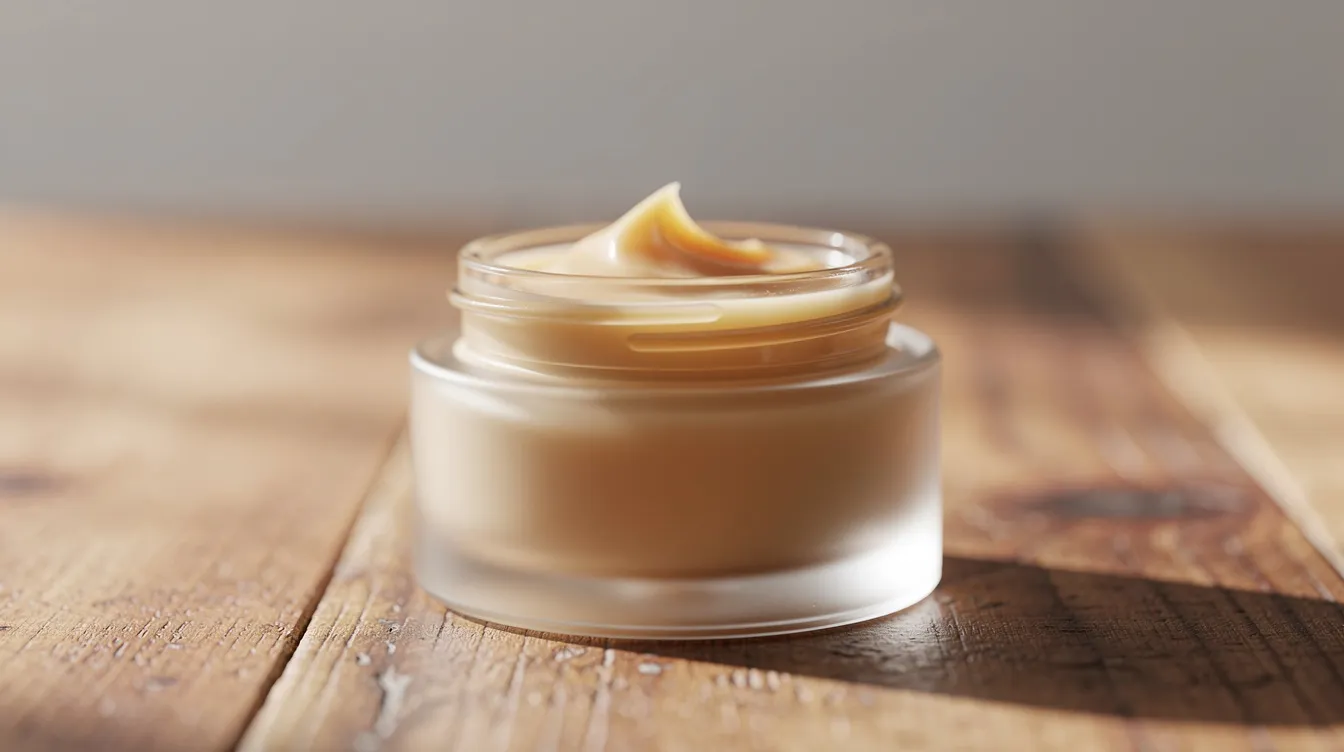
Beef tallow emerges as rendered fat primarily sourced from the suet surrounding cattle kidneys and loins. The rendering process involves heating and clarifying raw fat to eliminate impurities, moisture, and connective tissues, resulting in a stable, solid, cream-colored substance at room temperature.
The distinction between raw beef fat, suet, and finished tallow matters significantly for topical skin applications. Raw animal fat and suet retain higher moisture content and impurities that make them prone to rancidity and bacterial growth. Properly finished tallow has low water activity—typically under 0.3% moisture after dry rendering—which prevents bacterial proliferation and makes it suitable for cosmetic use.
Historically, beef tallow served multifaceted roles from the 18th through early 20th centuries. It was used in cooking, candle-making, soap production, and medicinal ointments, valued for its emollient properties in treating chapped skin and wounds. The rise of seed oils like soybean and canola, along with synthetic emollients after World War II, pushed tallow out of mainstream use due to consumer preferences for odorless, plant based alternatives.
The main components of tallow include saturated fats (stearic acid at 24-30% and palmitic acid at 25-30%), monounsaturated oleic acid (35-45%), and trace polyunsaturated linoleic acid (2-4%). You’ll also find fat soluble vitamins A, D, E and K, plus B12 in microgram-to-milligram quantities per 100g, with variations depending on cattle diet.
When people talk about “beef tallow for skin,” they typically mean cosmetic-grade tallow from grass-fed cows, rendered at lower temperatures to preserve nutrients and reduce that distinctive animal smell.
Why People Use Beef Tallow on Their Skin
The modern tallow skincare trend exploded via social media around 2020-2022, driven by ancestral living advocates and “clean beauty” enthusiasts questioning seed oils’ oxidation products and conventional emulsifier irritants. Brands like Primally Pure helped popularize the movement, positioning tallow as a return to traditional skincare wisdom.
Enthusiasts make several core claims about beef tallow good for skin: it supports the skin barrier, mimics human sebum composition, deeply moisturizes, calms redness, and offers minimal, “clean” ingredient lists without synthetic preservatives. Human sebum features approximately 25% palmitic, 45% oleic, and 12% linoleic acids—a profile that overlaps substantially with tallow’s composition.
The appeal for minimalists is straightforward. A single-ingredient balm can potentially replace multiple conventional products: body lotion, hand cream, lip balm, and balm for cracked heels. One jar, multiple uses, no long ingredient lists to decode.
Anecdotal reports often describe improvements in rough, flaky, wind-chapped, or winter-dry skin, particularly on extremities, hands, and lips. Social media feeds overflow with before-and-after photos and testimonials about supple, restored skin.
However, many of these benefits are plausible from a basic skincare perspective—occlusion plus emollience naturally improves dryness—but robust clinical trials specifically on beef tallow are missing. Most evidence is inferred from studies on similar natural oils and lipid compositions.
Potential Benefits of Beef Tallow for Skin
Let’s be clear: benefits are based on what’s known about tallow’s fatty acid profile, trace vitamins, and historical observations—not extensive randomized trials. That said, the mechanism of action makes biological sense.
Tallow’s fatty acids function as both emollients and occlusives. Stearic and palmitic acids soften the stratum corneum (your skin’s outermost layer), while the overall fat composition creates a barrier that reduces transepidermal water loss. Studies on similar occlusive lipids show TEWL reduction of 30-50% or more.
The “biomimetic” concept deserves attention. Because tallow’s composition partially overlaps with human sebum, proponents argue it integrates more naturally into your skin’s existing lipid matrix. This theoretical compatibility may improve barrier function for some people, though individual responses vary widely.
Trace vitamins contribute modestly to skin health:
Vitamin E (5-10mg/100g) offers antioxidant protection against UV-induced lipid damage
Vitamin D supports keratinocyte differentiation
Vitamins A and K may aid overall resilience
However, these concentrations are dwarfed by dedicated serums—retinol products contain 0.1-1% active ingredient, far exceeding tallow’s microgram quantities.
Specific scenarios where tallow may provide deep hydration and shine include, especially when using heavy-duty tallow hand salves for working hands:
Very dry winter climates where barriers are constantly challenged
Frequent handwashing causing irritant contact dermatitis
Cracked heels (where occlusion accelerates fissure healing)
Post-sun dryness (not on active burns)
Overnight occlusive balm applications
These benefits can often be achieved with other occlusives like petrolatum or shea butter, but tallow appeals to those seeking animal-based or natural alternatives to petroleum derivatives.
How Tallow Compares to Conventional Lotions
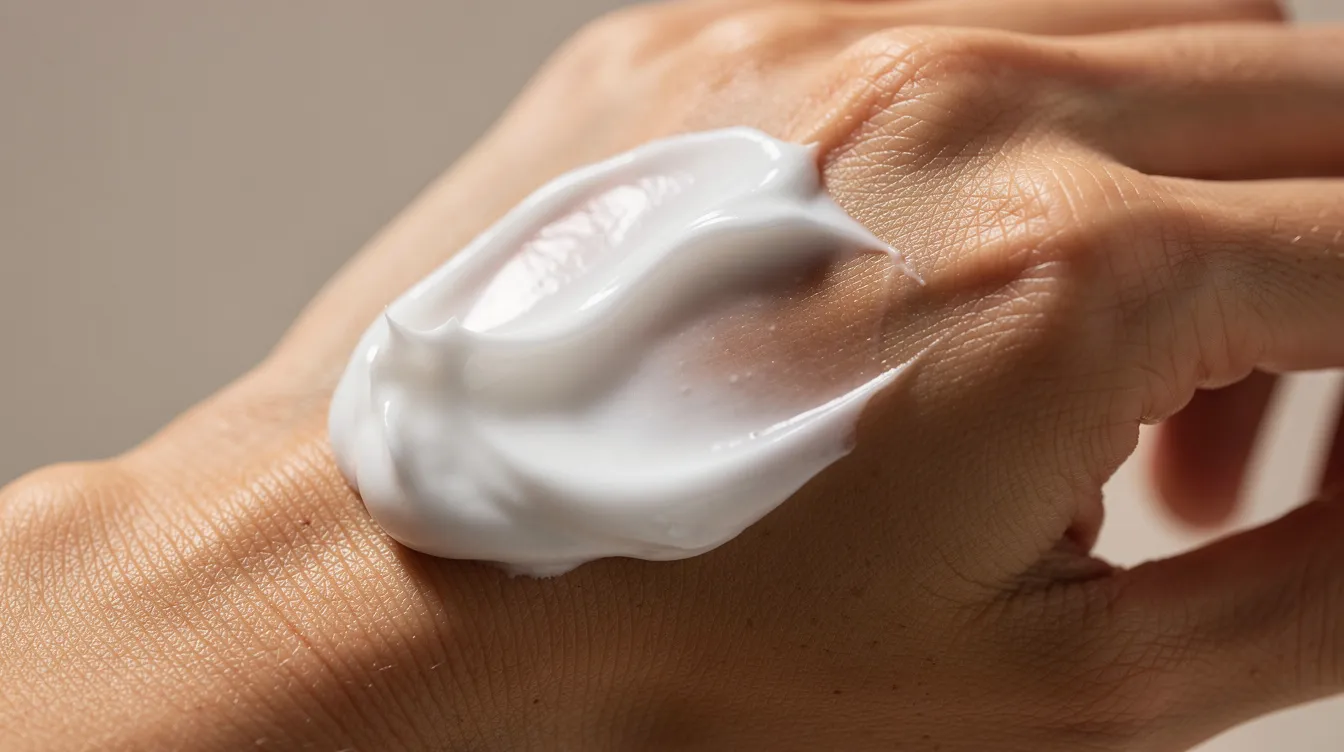
Texture differences are immediately apparent. Tallow balms are thicker, waxy-cream-like, and more occlusive than most pump lotions. You’ll need smaller amounts—a pea-sized portion often covers significant area—but massage-in time increases compared to lightweight lotions.
Feature |
Beef Tallow Balm |
Conventional Lotion |
|---|---|---|
Texture |
Thick, waxy-cream |
Light emulsion |
Water content |
Anhydrous (0%) |
70-80% water |
Humectants |
Usually none |
Glycerin, hyaluronic acid |
Preservatives |
Minimal/none |
Required for stability |
Barrier duration |
12-24 hours |
4-6 hours |
Feel |
Rich, potentially greasy |
Light, absorbs quickly |
Conventional lotions typically contain water, oils, humectants like glycerin, emulsifiers, and preservatives. Tallow products are usually anhydrous and preservative-light, which appeals to ingredient-conscious consumers but means they lack moisture-drawing humectants. |
Tallow creams can feel longer-lasting and “heavier,” forming a richer barrier, while lotions often feel lighter but require more frequent re-application. Pairing tallow with a hydrating mist or serum before application can compensate for the missing humectants and improve overall plumpness.
Some people find the mild animal smell noticeable at first, though others report it fades quickly. Many products mask the scent with essential oils—but fragrance-sensitive users should be cautious, as added scents can introduce bacteria-like irritation or allergic reactions.
Risks, Side Effects, and Who Should Avoid Beef Tallow
Here’s an important reality check: “natural” does not equal universally safe. Dermatologists remain cautious about tallow skincare, particularly for facial use, and their concerns have merit.
Potential comedogenicity represents the primary risk. Oleic acid rates 2-3 on the 0-5 comedogenic scale, while palmitic and stearic acids range from 2-4. This heavy, occlusive fat may trap sebum and debris in follicles, creating microcomedones that progress to visible breakouts. Studies on analogous natural oils suggest 20-30% of acne-prone users experience worsening with heavy occlusives.
DIY or poorly rendered tallow introduces additional risks. Products retaining more than 1% moisture can foster bacteria like Pseudomonas. Polyunsaturated traces oxidize over time, causing rancidity. Impurities from incomplete rendering may trigger contact dermatitis or inflammation.
Unregulated small-batch products vary widely in:
Fatty acid ratios (grass-fed vs. grain-fed sources)
Residual protein content
Undisclosed additives
Storage conditions and age
Those with a history of contact dermatitis, very reactive skin, or known beef/animal product allergies should patch-test carefully or avoid tallow entirely. The risk of introducing bacteria or triggering irritation increases with compromised skin quality.
Applying tallow to broken, infected, or actively inflamed skin—severe eczema flares, open wounds, cystic acne—should only occur under professional guidance. Heavy occlusion on compromised barriers can trap pathogens and worsen infection rather than heal.
Who Probably Shouldn’t Use Tallow on the Face
Specific groups should exercise particular caution:
Teens and adults with active acne: Inflammatory lesions, frequent breakouts, or persistent blackheads/whiteheads indicate pore sensitivity
Those with very oily T-zones: Additional occlusion often worsens congestion
People using acne medications: Topical retinoids, benzoyl peroxide, and similar treatments may be counteracted by heavy occlusives
Rosacea or redness-prone skin: Heavy fats can exacerbate telangiectasia and flushing
Patients currently managing skin conditions with dermatology guidance should talk with their providers before adding tallow to their routine.
For these groups, limiting tallow to body-only use—hands, legs, heels, lips—allows experimentation while protecting breakout-prone facial skin.
How to Choose High-Quality Beef Tallow for Skin
Not all tallow is equal. Quality, rendering method, and handling dramatically affect purity, nutrient content, and stability. Generic cooking tallow from your grocery store’s food section won’t cut it for skincare.
Look for these descriptors when shopping:
“100% grass-fed and finished”
“Pasture-raised”
“Cosmetic grade”
“Dry rendered at low temperatures”
Dry-rendering minimizes water content (reducing microbial growth risk), preserves more nutrients and vitamins, and typically produces a denser, more stable balm. Low-temperature processing (under 100°C) helps retain heat-sensitive compounds.
Avoid:
Generic cooking tallow
Mixed-animal fats
Products with undisclosed farm origins
Brands without clear sourcing information
Transparent ingredient lists matter. Ideally, you want just tallow plus a few well-known oils or waxes—not long lists of unfamiliar additives. Clear batch dates and “best by” dates help you assess freshness and reduce rancidity risk.
Trust your nose. Strong, sour, or noticeably “barnyard” odor signals poor rendering or oxidation. High-quality tallow should have a mild, clean, slightly fatty scent—dense but not unpleasant.
Reading Labels and Storage Tips
A typical high-quality tallow balm ingredient list might include the kind of simple, grass-fed formulations found in men’s tallow-based grooming products:
Tallow (rendered beef fat)
Simmondsia Chinensis (Jojoba) Seed Oil
Cera Alba (Beeswax)
Tocopherol (Vitamin E)
This minimal approach indicates the manufacturer prioritizes quality over complexity.
Packaging matters for shelf life. Choose products in opaque or amber glass jars or metal tins that protect from light and heat. Clear containers expose the fat to oxidation-accelerating UV rays.
Basic storage practices:
Keep tightly sealed when not in use
Store in a cool, dry place away from direct sunlight
In warmer climates, refrigeration extends shelf life to 18-24 months
Room temperature storage typically allows 6-12 months of quality
Discard products that change color dramatically (darkening suggests oxidation), develop graininess combined with off-odors, or cause new irritation after previously being well tolerated.
How to Use Beef Tallow Safely in Your Skincare Routine
Introduce tallow slowly into your routine. Patch-test first, then integrate 2-3 nights per week before considering daily use—especially on the face.
Meaningful patch testing protocol:
Apply a pea-sized amount to a discrete area (behind ear or along jawline)
Repeat once daily for 3 consecutive days
Monitor for redness, bumps, itching, or increased breakouts
If no reaction occurs, gradually expand use
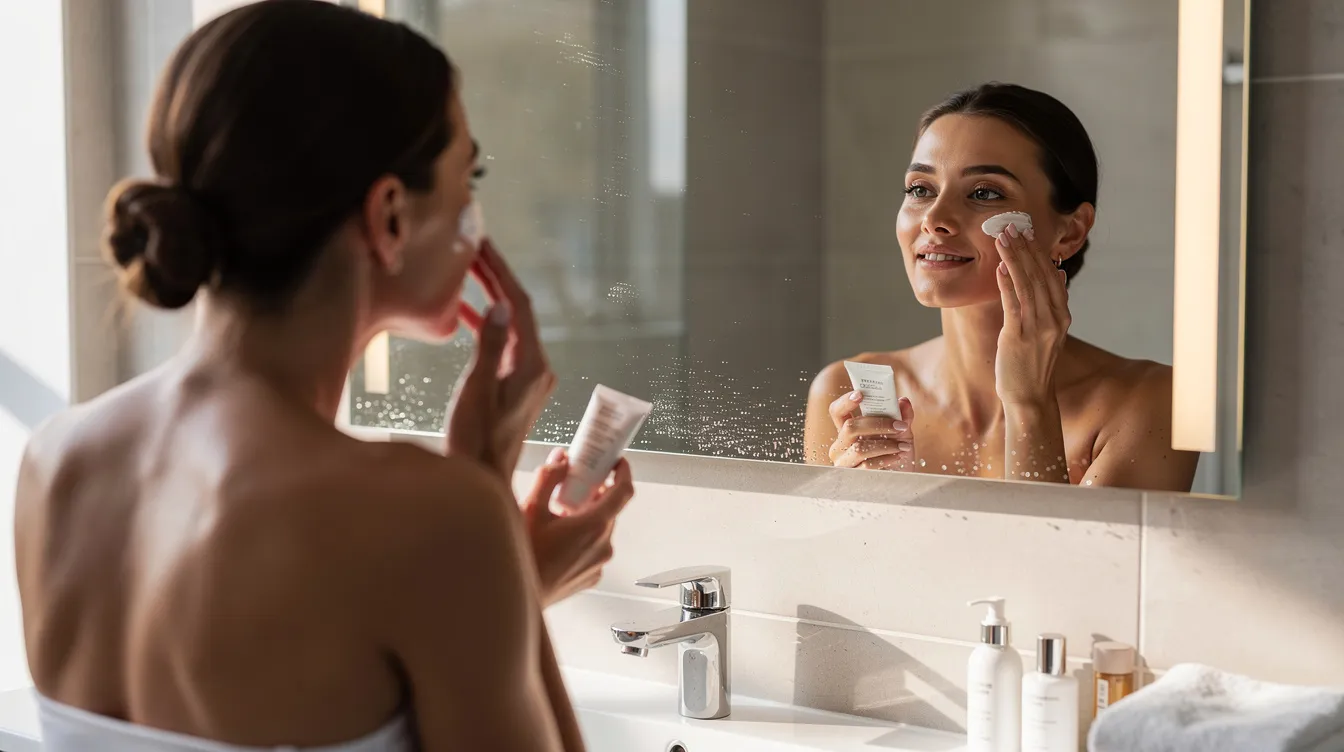
For application, warm a tiny amount between fingertips until it melts slightly. Press or massage into slightly damp skin—the moisture helps spread the product evenly and reduces heaviness. Avoid over-application; you need far less than you’d use with conventional lotion.
Use tallow as the final step in an evening routine, layering it over water-based serums and lighter oils to lock in hydration. Think of it as a sealant rather than a standalone moisturizer.
Targeted uses work particularly well with grass-fed tallow body and grooming balms:
Nightly lip balm: Apply before bed for dry, cracked lips
Hand cream: Keep a small jar by the sink for post-wash application, similar to tallow-based heavy-duty hand repair balms
Heel balm: Apply generously, then wear socks overnight; richer formulas like grass-fed tallow beard and body butter can work well here
Spot treatment: Address rough patches on elbows, shins, or knees
For facial use, limit initial application to drier areas—cheeks and around the eyes (not too close to the lash line). Avoid breakout-prone zones like central forehead, nose, and chin until you know how your skin responds.
Combining Tallow with Other Skincare Ingredients
Pairing tallow with humectants maximizes results. Apply water-based layers first—glycerin-containing serums, hyaluronic acid, or aloe gels—then finish with a thin film of tallow to seal in the moisture. This combination can boost hydration 50-100% compared to either approach alone.
Those using strong actives like retinoids or exfoliating acids should be cautious. Some find tallow helps buffer irritation from these products; others experience worsened congestion. Monitor your skin’s response carefully during the adjustment period.
Avoid essential oil-heavy tallow blends on the face. Compounds like linalool and limonene trigger sensitization reactions in more than 10% of users. The fat itself is less likely to cause irritation than fragrant additives.
Simplify your overall routine when experimenting with tallow. Fewer new products means easier identification of what’s helping or causing concerns. For some, curated tallow grooming gift boxes and bundles offer a straightforward way to test multiple formats without overcomplicating the routine. Give your skin 2-4 weeks to adjust before drawing conclusions.
Frequently Asked Questions About Beef Tallow for Skin
Is beef tallow “anti-aging”?
Tallow moisturizes effectively, which can reduce the appearance of dryness lines and create a temporarily smoother, more supple look—improvements of 20-30% are anecdotally reported. However, it provides no retinol-like collagen stimulation. For actual anti-aging benefits, you need proven actives like retinoids, vitamin C, or peptides alongside consistent sunscreen use.
Is beef tallow safe during pregnancy and breastfeeding?
Clean, well-sourced grass-fed tallow appears safe for topical use during pregnancy—there’s no evidence of systemic absorption at concerning levels. However, consult your healthcare provider for personalized guidance, especially if you have skin conditions requiring medical management.
Can tallow help eczema or psoriasis?
Some individuals report relief from dryness and itching, and mouse model studies show tallow emulsions lowering inflammatory markers (IgE reduction of 30-50%). However, heavy occlusion on active disease carries infection risk, and added essential oils may worsen inflammation. Use only under medical supervision during flares, and avoid on broken skin.
What about vegan or ethical concerns?
Beef tallow is definitively animal-derived from cows. Readers who avoid animal products should consider plant based alternatives like shea butter, cocoa butter, mango butter, or coconut oil, which offer similar occlusive properties without animal sourcing.
Can beef tallow replace sunscreen or medical treatments?
Absolutely not. Tallow provides zero UV protection (SPF 0) and should never substitute for sunscreen. It’s purely a moisturizer, not a therapeutic treatment for skin conditions. Continue using prescribed medications and daily sun protection as directed by your dermatologist.
Beef Tallow vs. Other Moisturizers: Is It Worth It?
How does tallow stack up against popular alternatives?
Product |
Occlusiveness |
Comedogenic Risk |
Scent |
Evidence Base |
|---|---|---|---|---|
Beef Tallow |
Very high (~90% TEWL reduction) |
Moderate-high (2-4) |
Mild animal/fatty |
Limited |
Petrolatum |
Highest (~98% TEWL reduction) |
Low (0-1) |
None |
Extensive |
Shea Butter |
High (~70% TEWL reduction) |
Low-moderate (0-2) |
Nutty |
Moderate |
Cocoa Butter |
Moderate (~60% TEWL reduction) |
High (4) |
Chocolatey |
Moderate |
Ceramide Creams |
Variable |
Low |
Usually fragrance-free |
Extensive |
Tallow might be worth trying if you have very dry body skin, prefer “ancestral” or minimalist routines, or specifically want animal-based products over petroleum derivatives. It offers comparable occlusiveness to petrolatum without petrochemicals. |
Science-backed, non-comedogenic moisturizers remain safer choices for acne-prone faces, complicated skin conditions, or pediatric use. Dermatologists generally prefer well-studied formulations with consistent composition and preservatives ensuring long-term stability.
Your personal values matter in this decision. Natural vs. lab-formulated, animal vs. plant based, minimalist vs. multi-step—these preferences legitimately influence what works for your life and routine.
Final Thoughts
Beef tallow for skin can be a useful, deeply occlusive moisturizer for the right person and purpose. Those with very dry, mature, non-acne-prone skin—particularly for body use—may find it a rich, satisfying alternative to conventional lotions packed with synthetic ingredients.
However, tallow is not a miracle cure. It carries real risk of clogging pores for acne-prone skin types, and the limited research means we’re often relying on component-level evidence rather than direct studies. Quality varies dramatically between products, making source selection critical.
If you’re curious, start with a reputable cosmetic-grade product from grass-fed cattle. Patch-test thoroughly. Begin with body application before considering facial use. And maintain realistic expectations—you’re getting an effective traditional moisturizer, not a revolutionary treatment that will transform your skin overnight.
Listen to your skin, consult a dermatologist if concerns arise, and remember that the best skincare routine is one you’ll actually maintain consistently.
Ready to upgrade your skincare routine? Shop Tallowman's grass-fed tallow skincare products — built for men who want real results from real ingredients.