
Grass Fed Tallow Benefits
Key Takeaways
Grass-fed beef tallow is a nutrient-dense animal fat that’s making a serious comeback in both men’s grooming and cooking. Unlike the cheap vegetable oils and synthetic creams that dominated the last few decades, grass-fed tallow delivers real results backed by traditional use and emerging research. Tallowman uses only grass-fed tallow in small-batch products handcrafted in the USA—no synthetic fillers, no watered-down formulas.
Grass-fed tallow is loaded with skin-supporting fats like oleic acid and stearic acid, plus fat soluble vitamins A, D, E, and K that support barrier function and skin repair
The high saturated and monounsaturated fat content makes grass-fed tallow more stable than seed oils under high heat cooking, with less oxidation and a high smoke point around 420–480°F
Tallow’s fatty acid profile closely mirrors human skin lipids, making it more compatible and longer-lasting than water-based drugstore lotions
Tallowman formulas are non-greasy, fast-absorbing, and built specifically for hardworking men who want simple, effective products without chemicals or heavy fragrances
Unlike highly processed vegetable oils and synthetic grooming products with ingredient lists a mile long, grass-fed tallow products keep it clean: fewer ingredients, better function, no nonsense
What Is Grass Fed Tallow?
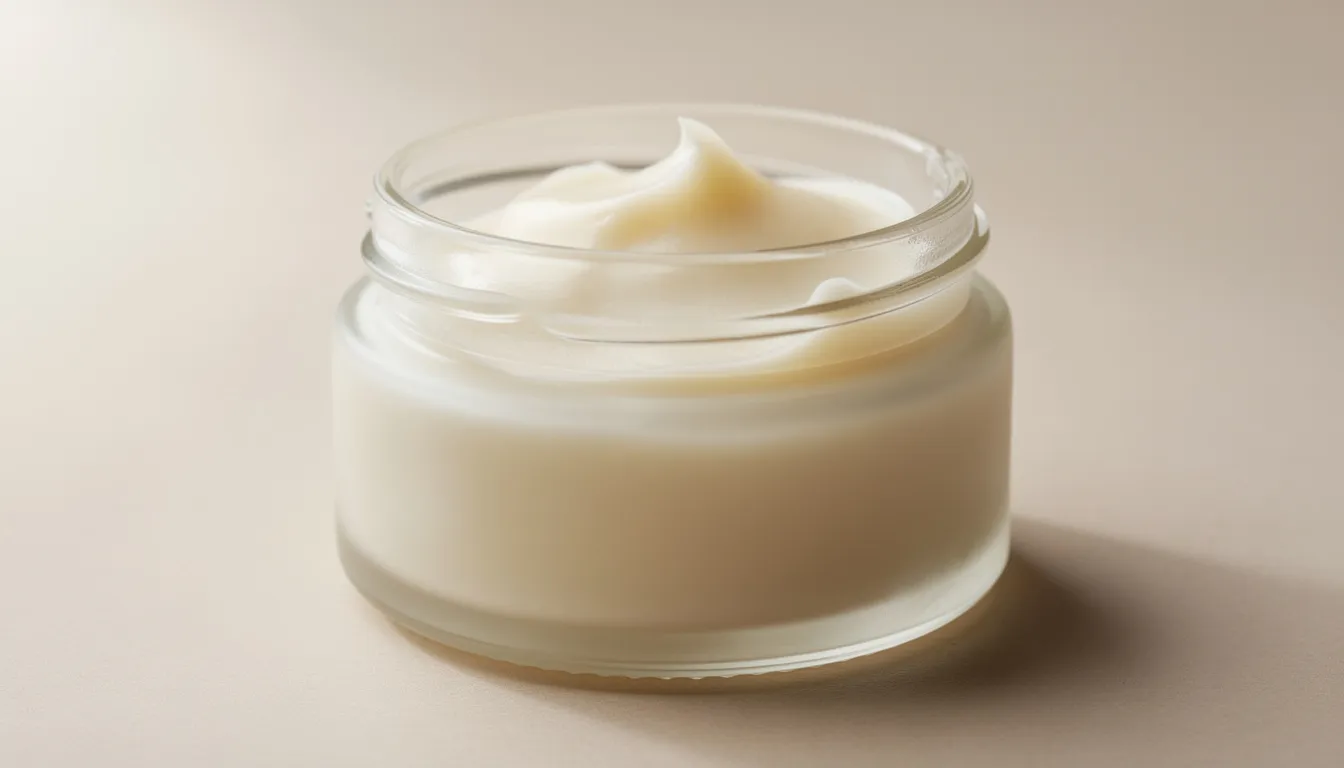
Grass fed tallow is rendered fat from grass-fed beef, typically sourced from the suet around the kidneys and loins of pasture-raised cattle. When properly rendered through slow, low-heat extraction, it purifies into a clean, off-white, waxy solid fat that stays solid at room temperature but melts on contact with heat or skin.
The distinction between generic “tallow” and grass fed beef tallow matters. Cattle raised exclusively on pasture grasses—without grain supplementation—produce fat with a different fatty acid profile and higher levels of fat-soluble nutrients. This isn’t marketing spin; it’s basic biology. What an animal eats directly affects the composition of its fatty tissue.
Tallow has been around for centuries. Before cheap seed oils and synthetic chemicals took over in the mid-20th century, rendered beef fat was the go-to for cooking, leather care, soaps, tallow candles, and basic skincare. Your great-grandfather probably used it without thinking twice.
From a grooming perspective, the texture and feel matter. When properly rendered and blended, grass-fed tallow creates a smooth, non-greasy balm that absorbs quickly instead of sitting on top of skin like petroleum jelly or mineral oil. It’s rendered animal fat, yes—but it doesn’t feel heavy or leave you slick.
Tallowman uses only grass-fed beef tallow as the base for men’s grooming products, rendering it in small batches in the USA for strict quality control. This isn’t mass-produced cow fat from feedlot operations. It’s sourced intentionally and processed carefully.
Nutrition & Fatty Acid Profile of Grass Fed Tallow
Here’s the breakdown you actually need to understand why grass-fed tallow works:
The fatty acid profile of grass-fed tallow runs roughly 45–55% saturated fat, 40–50% monounsaturated fats (mainly oleic acid), and 3–7% polyunsaturated fats. This composition of saturated and monounsaturated fat makes it remarkably stable compared to polyunsaturated-heavy seed and vegetable oils that go rancid quickly.
The key components relevant to skin health and cooking performance include:
Oleic acid: The same monounsaturated fat found in olive oil. Supports skin barrier function, softens skin, and helps with moisture retention.
Stearic acid: A saturated fat that provides structural support, aids in cleansing, and notably doesn’t raise cholesterol like some other saturated fats.
Palmitic acid: Contributes to barrier protection and skin integrity.
Conjugated linoleic acid (CLA): An omega-6 fat with potential anti-inflammatory properties and body composition benefits. Grass-fed sources contain significantly more CLA than grain-fed.
Linoleic acid: An essential fatty acid that supports wound healing and reduces pro-inflammatory responses.
What makes grass-fed different from grain-fed? Grass-fed cattle produce tallow with typically higher omega-3 content, more CLA, and better levels of essential vitamins A, D, E, and K2 in the fat. This is why Tallowman insists on grass-fed sources—the nutrient density is measurably superior.
This fatty acid profile translates to real-world benefits: a more resilient skin barrier, better moisture retention that lasts hours instead of minutes, and a cooking fat that stays stable under high heat instead of oxidizing and producing harmful byproducts like highly processed vegetable oils do.
Grass Fed Tallow Benefits for Skin & Grooming
Here’s the thing about grass-fed tallow that makes it work where water-based lotions fail: its fatty acid profile closely resembles the lipids naturally found in human skin. The epidermis contains saturated fats like stearic and palmitic acids alongside oleic and linoleic acids—the same profile you find in quality grass-fed tallow. This biocompatibility means tallow can penetrate and hydrate skin instead of just sitting on the surface.
Research on tallow-based emulsions shows significant hydrating effects, with one study demonstrating progressive skin hydration increases reaching 47.2% at 180 minutes post-application—far outperforming typical plant oils in both longevity and depth.
Benefits of beef tallow for skin include:
Supports skin barrier function, reducing cracking and flaking on hands, knuckles, and elbows
Reduces tightness and dryness after showers or frequent hand washing
Helps calm irritation and razor burn from shaving
Protects skin from wind, cold, and job-site abuse
Provides antimicrobial support for minor cuts and abrasions
Grass-fed tallow is naturally rich in vitamins A, D, E, and K—essential vitamins that support skin repair, elasticity, and resilience. You don’t need synthetic vitamin complexes added when the base ingredient already delivers.
Properly formulated tallow balms are non-greasy when blended and dosed correctly. They absorb into the skin instead of leaving an oily film. The ideal Tallowman feel: fast-absorbing, dry finish, no shine, no slickness interfering with your grip.
Tallowman avoids synthetic fillers, petroleum derivatives, and heavy fragrances commonly found in mainstream men’s lotions. Grass-fed tallow is the simple, hard-working base ingredient that actually does the job.
Why Grass Fed Tallow Beats Drugstore Lotion for Men
Compare a typical drugstore men’s lotion—water, synthetic emulsifiers, cheap seed oils, artificial fragrance, preservatives, and a dozen ingredients you can’t pronounce—to a Tallowman-style formula: grass-fed tallow, a few natural oils, and subtle natural scent from essential oils. The difference isn’t subtle.
Most water-based lotions sit on the surface and evaporate, requiring constant reapplication throughout the day. Tallow-based products bond with the skin’s natural oils because of that biocompatibility factor. The result is longer-lasting comfort and protection—apply once in the morning and forget about it.
Men working with their hands know this problem well. Mechanics, tradesmen, ranchers, first responders—anyone who washes frequently with harsh soaps ends up with dry skin that cracks and bleeds. Grass-fed tallow helps rebuild the skin’s lipid barrier so hands stay intact through a full shift.
If you’re wary of “greasy” products, here’s the difference: Tallowman focuses on non-greasy formulas tuned specifically to absorb fast. You can apply it and get back to work immediately—no waiting for your hands to dry, no slick residue on tools or steering wheels.
The bottom line: less ashiness, fewer cracks, more grip, no slick residue. Function over marketing.
Beard, Face, and Body Care with Grass Fed Tallow
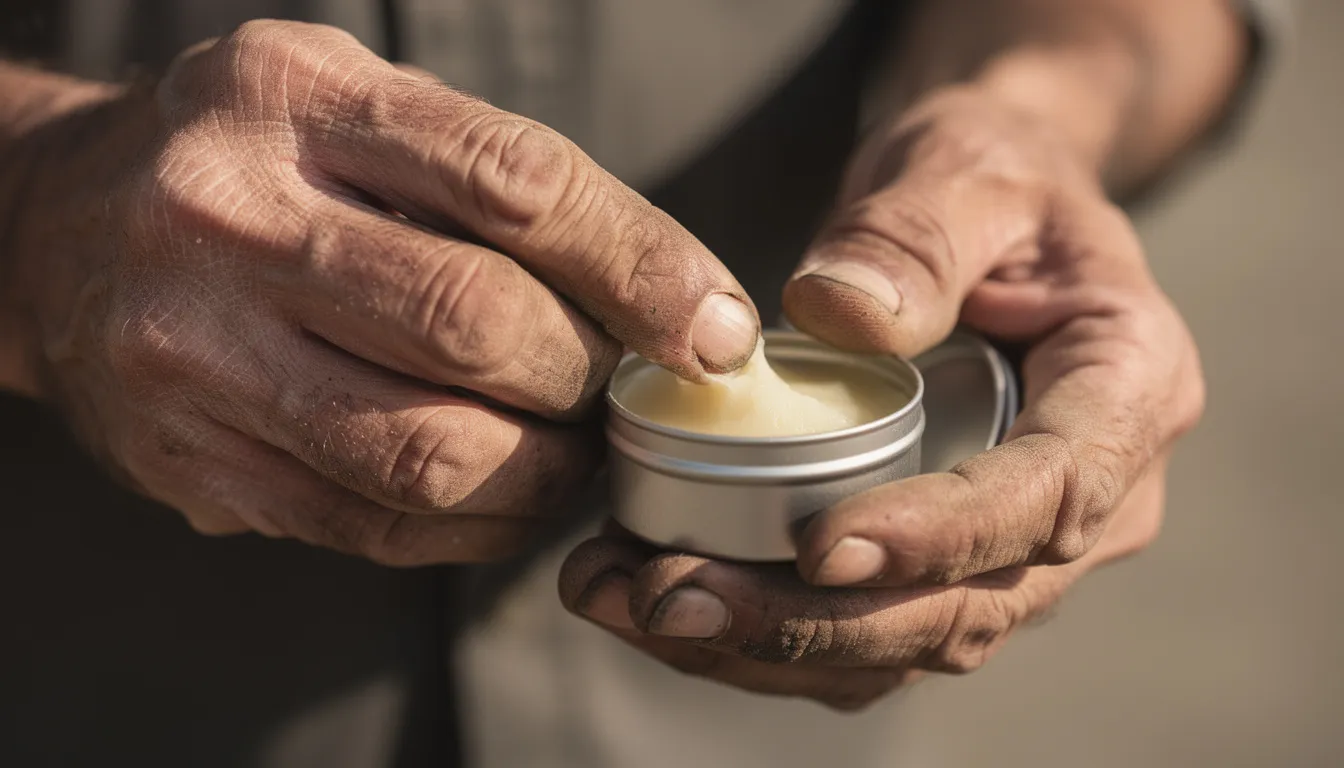
Grass-fed tallow works exceptionally well in beard balms and face balms. It softens coarse beard hair, reduces itch and beardruff, and protects the skin underneath without clogging pores when properly formulated. The fatty acids that support healthy skin also condition facial hair.
For facial use, grass-fed tallow calms razor burn, soothes sun or wind exposure after long days outdoors, and reduces flaky patches around the nose, cheeks, and forehead. Men with sensitive skin often find tallow more tolerable than products loaded with synthetic fragrances and preservatives.
Body applications extend to any area regularly exposed to abrasion and environmental stress:
Elbows and knees
Heels and ankles
Forearms exposed to sun and wind
Areas irritated by work gloves, tool handles, or construction dust
Tallowman products are handcrafted in small batches in the USA, allowing tight control over texture, absorption, and scent strength. The result is rugged and practical rather than perfumey—built for men who want to use a product and move on with their day.
Use instructions are straightforward: warm a small amount between fingers, apply thinly to skin or beard, and let it absorb. No complicated grooming ritual, no 10-step routine. Just one quick addition to a normal morning.
Grass Fed Tallow Benefits for Cooking & Nutrition
Beef tallow was the go-to cooking fat in American kitchens and diners before cheap seed oils like soybean, canola oil, and corn oil took over in the 1950s–1960s. Those old diners weren’t using vegetable oils for their legendary fries—they were using tallow.
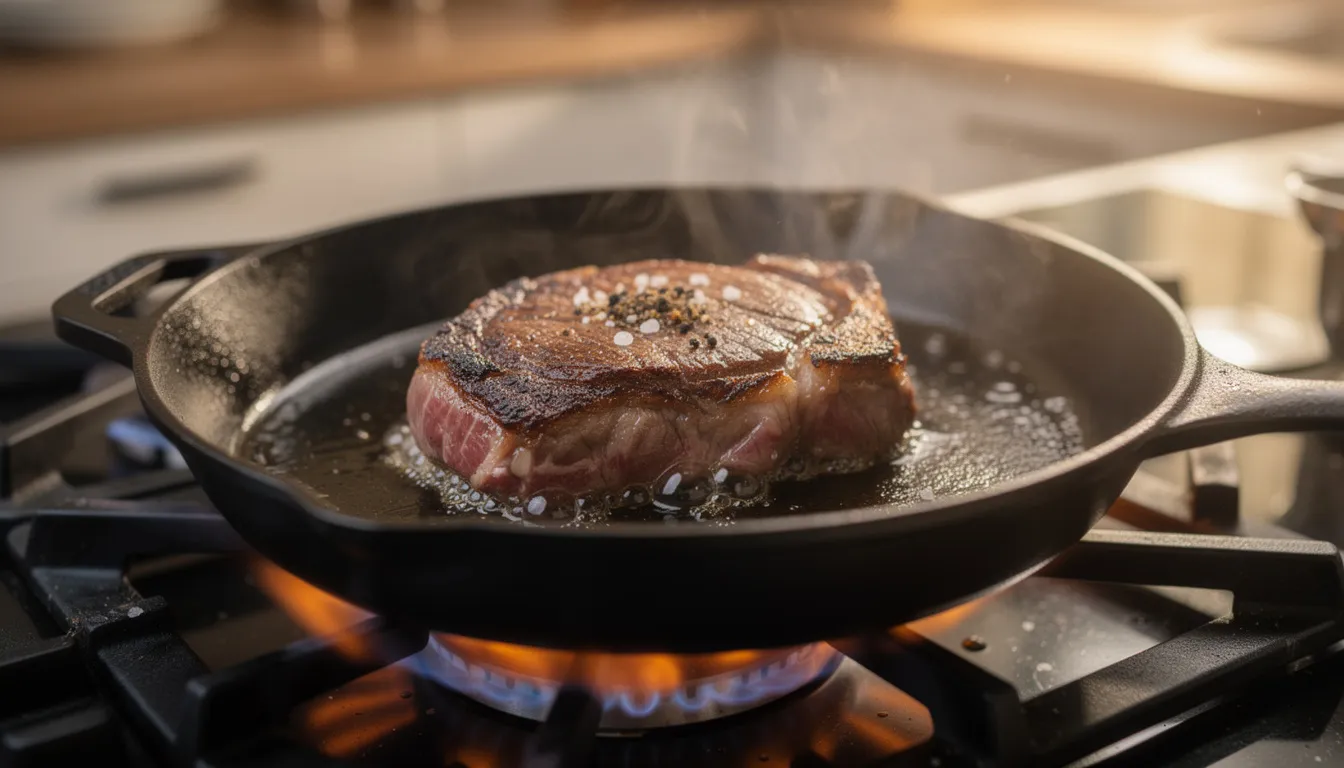
Grass-fed beef tallow’s high smoke point (roughly 420–480°F) makes it ideal for high heat cooking: searing steaks, frying potatoes, cast-iron cooking, and outdoor grilling. Unlike peanut oil or other cooking fats with lower smoke points, tallow handles heat without burning or turning rancid.
The stability advantage comes down to fat composition. Grass-fed tallow is highly saturated and monounsaturated, which makes it far more stable under heat than polyunsaturated-heavy canola oil or other seed oils. Polyunsaturated fats oxidize quickly when heated, producing harmful compounds. Saturated fat found in tallow stays stable.
The natural flavor is a mild, savory flavor with a beef note that enhances burgers, eggs, vegetables, and potatoes. That “diner-style” taste that’s hard to replicate with neutral oils? That’s tallow.
From a nutrition standpoint, tallow provides energy-dense fuel useful for active men or those following low-carb or keto-style diets. It also helps the body absorb fat soluble vitamins from other foods you eat—vegetables cooked in tallow deliver more bioavailable nutrients. That said, beef tallow healthy eating still means reasonable quantities as part of a balanced healthy diet alongside whole foods.
Grass Fed vs Conventional Tallow in the Kitchen
The contrast between tallow from grass fed cows and fat from grain-fed, industrial beef is measurable. Grass-fed typically has better omega-3 to omega-6 balance, more conjugated linoleic acid, and fewer concerns about residues from feedlot operations.
In the pan, grass-fed tallow often has a cleaner flavor with less “heavy” aftertaste. It can produce crisper fries and better sears due to its stability under sustained high heat.
If you cook at home, choose clearly labeled grass-fed tallow from a trusted butcher, local farm, or reputable brand. Avoid ambiguous “beef fat” or hydrogenated tallow often used in processed foods—that’s not the same product.
The practical differences matter:
Less smoke at high temperatures
Better crust on steaks and burgers
More control in cast iron
No rancid smell after sitting in the pantry
Basic uses include swapping seed oils for tallow when pan-frying meats, sautéing onions and peppers, roasting potatoes, or using it to season cast iron pans. You can also use tallow for any recipe that calls for other saturated fats like rendered pork fat or lard.
Metabolic, Energy & Lifestyle Benefits for Men
Grass-fed tallow fits men who work long shifts, train hard, or follow low-carb, paleo, or carnivore-leaning approaches to eating. It’s a dense, slow-burning fuel source that provides sustained energy rather than the spike-and-crash cycle of high-carb snacks.
Healthy fats like those in tallow increase satiety. You stay fuller longer, which helps reduce mindless snacking and sugar cravings. This isn’t complicated nutrition science—dietary fats slow digestion and keep blood sugar more stable than refined carbs.
Research on components like CLA and stearic acid suggests potential benefits for body composition and visceral fat, though studies are ongoing. Tallow isn’t a magic bullet to burn body fat or regulate blood sugar levels on its own—it’s one tool in a broader approach to eating real food.
Replacing ultra-processed, industrial seed oils with a more traditional fat like grass-fed tallow may support better inflammation control and energy levels for some people. The key word is “may”—individual responses vary, and tallow works best as part of whole-food eating rather than as a standalone fix.
A practical approach: swap seed oils out of a few weekly meals for grass-fed tallow and pay attention to energy, focus, and satiety changes over a couple weeks. You don’t need to measure every gram of fatty acids or follow strict protocols. Just choose better fats and cook more of your own food.
How Grass Fed Tallow Fits into Real-World Routines
Everyday scenarios where grass-fed tallow makes sense:
A tradesman packing lunch leftovers cooked in tallow—meals that reheat well and keep you full through a long shift
A lifter adding more stable fats to post-workout meals instead of sugary snacks or highly processed vegetable oils
An outdoorsman carrying a small tin of tallow balm for chapped hands plus using tallow at camp for cooking over fire
Tallow doesn’t require fancy recipes or complicated meal prep. Frying eggs and potatoes in the morning, searing a steak for dinner, making a simple skillet meal with ground beef and vegetables—that’s enough to see benefits.
The connection between grooming and diet isn’t random. Using grass-fed tallow both in the pan and on the skin simplifies life: fewer products, fewer chemicals, more consistency in what you put in and on your body.
Tallowman represents the grooming side of that same mindset. Minimal ingredients, high function, no fluff. The same philosophy that has men choosing tallow over canola oil in the kitchen applies to choosing tallow-based balms over synthetic drugstore lotions.
Safety, Myths & How Much to Use
Let’s address the elephant in the room: mainstream concerns about saturated fat and heart disease. The blanket “all saturated fat is bad” message from the 1980s has been challenged by newer research showing more nuance. Not all other saturated fats behave the same way in the body, and context matters—including what else you eat and your overall lifestyle.
That said, grass-fed tallow should be used in sensible amounts alongside whole foods, lean proteins, and vegetables. Men with existing high cholesterol, heart disease, insulin resistance, or specific medical conditions should talk with a healthcare professional before dramatically increasing saturated fat intake. Common sense applies.
Debunking common myths:
Grass-fed tallow is not a miracle cure for all skin or health issues
It won’t automatically fix poor diet, lack of sleep, body weight problems, or no exercise
It’s a better tool than synthetic alternatives—not a magic bullet
Tallow isn’t just for certain skin types; it works for most people when used correctly
Some people may experience breakouts if they overapply or if a formula includes comedogenic added oils like almond oil or pumpkin seed oil in high concentrations. For acne prone skin, patch test on a small area first and start with thin applications.
Realistic usage guidelines:
More is not always better. A thin layer absorbs well; a thick glob just sits there and can lead to skin irritation or food waste in the kitchen.
Why Tallowman Chooses Grass Fed Tallow
Tallowman is built around one core belief: hardworking men deserve grooming products made from the same kind of honest, traditional ingredients they trust in their kitchens—starting with grass fed tallow.
All Tallowman products are handcrafted in small batches in the USA. This keeps strict control over sourcing, texture, and performance, avoiding the mass-produced, watered-down formulas common in big-box men’s grooming. When you buy from Tallowman, you’re getting something made with intention, not pumped out of a factory using the cheapest available inputs.
The formulas are straightforward: grass-fed tallow as the star ingredient, a short list of supporting natural oils, and subtle natural scent without synthetic fillers, parabens, or petroleum derivatives. You can read the entire ingredient list without a chemistry degree.
The non-greasy performance matters for working men. Tallowman balms are formulated to soak in quickly, leave a dry finish, and not interfere with tools, gloves, grips, or daily work. You apply it and move on—no waiting around, no slick hands.
If you’re still using generic lotion from a drugstore shelf or a heavily scented beard product full of synthetic ingredients, consider making the switch. Try a Tallowman tallow-based formula for a week of real work and weather. Feel the difference in how your skin holds up.

FAQ
Is grass fed tallow good for oily or acne-prone skin?
Despite being an animal fat, properly rendered grass-fed tallow can work for some men with oily or acne prone skin. Because it’s similar to natural skin oils (containing the same essential fatty acids), it can actually help balance skin that’s been stripped by over-washing or harsh products.
Results vary by person. Some men see fewer breakouts and less redness; others find it too rich, especially if layered over heavy products. Start with a small amount applied to clean, dry skin at night only. Patch test along the jawline or neck for a week before daily use.
Tallowman keeps formulas streamlined and non-greasy to reduce the chance of pore congestion. But individuals with severe acne should consult a dermatologist before adding any new product to their skincare routine.
Does grass fed tallow clog pores or cause “purging”?
Tallow itself does not trigger the classic “purging” seen with strong actives like retinoids. Any reaction is more likely simple irritation or clogged pores from overuse or layering multiple thick products.
When used sparingly, grass-fed tallow sits well on most skin types because it mimics human sebum. But over-application can overwhelm skin, especially in hot, humid climates. Use a very thin layer on the face and avoid stacking multiple creams and balms on top of each other.
Give skin 1–2 weeks to adjust while monitoring for persistent redness or bumps. If that occurs, reduce frequency or reserve tallow for dry skin areas only (hands, elbows, heels).
Can I cook with the same grass fed tallow I use on my skin?
In theory, food-grade rendered beef fat can be used for both cooking and skin care. However, most grooming products—including Tallowman—contain other cosmetic-grade ingredients and are not intended for eating.
Use separate sources: dedicated culinary-grade grass-fed tallow for the kitchen (you can find this at a health food store or butcher shop), and dedicated grooming products for skin and beards. Tallowman focuses specifically on grooming performance and texture, so its products should be used on skin only.
Read product labels carefully. If it’s marketed as skincare, treat it like skincare, even if the main ingredient started as an edible beef fat.
How does grass fed tallow compare to coconut oil or shea butter?
Grass-fed tallow tends to be firmer than coconut oil and less sticky than shea butter, giving a more “dry” finish when properly blended for men’s grooming. The texture difference is noticeable immediately.
Tallow’s fatty acid profile is closer to human sebum than either coconut oil or shea. Many men find it less comedogenic and more comfortable for daily use. Coconut oil can feel greasy and is known to clog pores for some people. Shea butter can be heavy and slow to absorb. Unsaturated fats in some plant oils also oxidize faster than tallow’s stable profile.
Tallowman deliberately uses grass-fed tallow as the star ingredient because it delivers a stronger, longer-lasting barrier with less shine and slickness than plant-only butters and natural oils.
How long does grass fed tallow last and how should I store it?
Pure, well-rendered grass-fed tallow is naturally shelf-stable and can last many months at room temperature when kept in a cool, dark place in a sealed container. The saturated fat content resists oxidation far better than polyunsaturated fats in seed oils.
For grooming products, shelf life depends on added ingredients. Tallowman small-batch balms are designed to remain stable through normal bathroom conditions for their labeled period.
Keep lids tightly closed. Avoid leaving containers in hot vehicles or direct sunlight. Use clean, dry fingers when scooping product to prevent contamination. Refrigeration typically isn’t necessary but can slightly extend freshness—the product will firm up more in the fridge and soften again at room temperature.